


Audio description
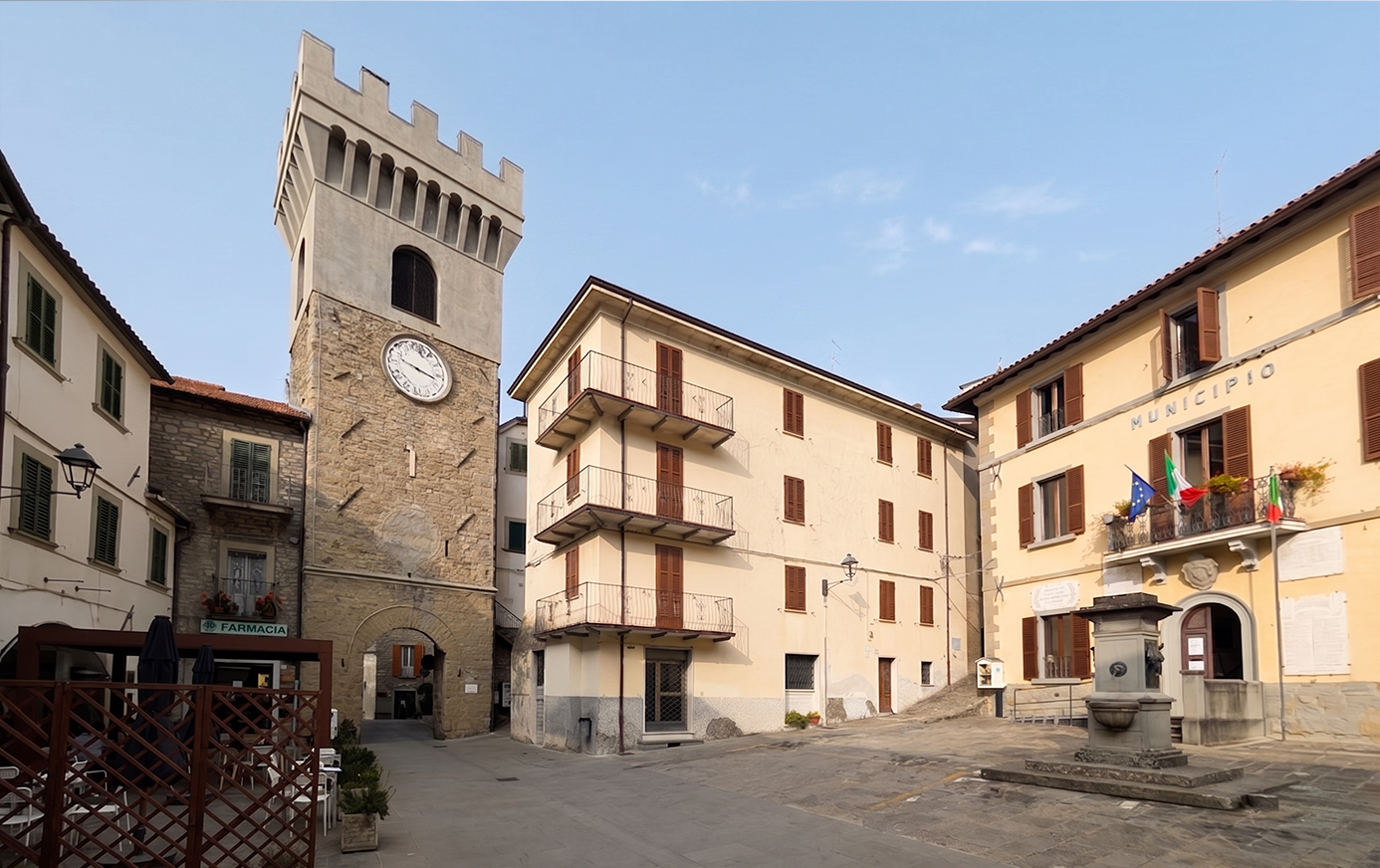
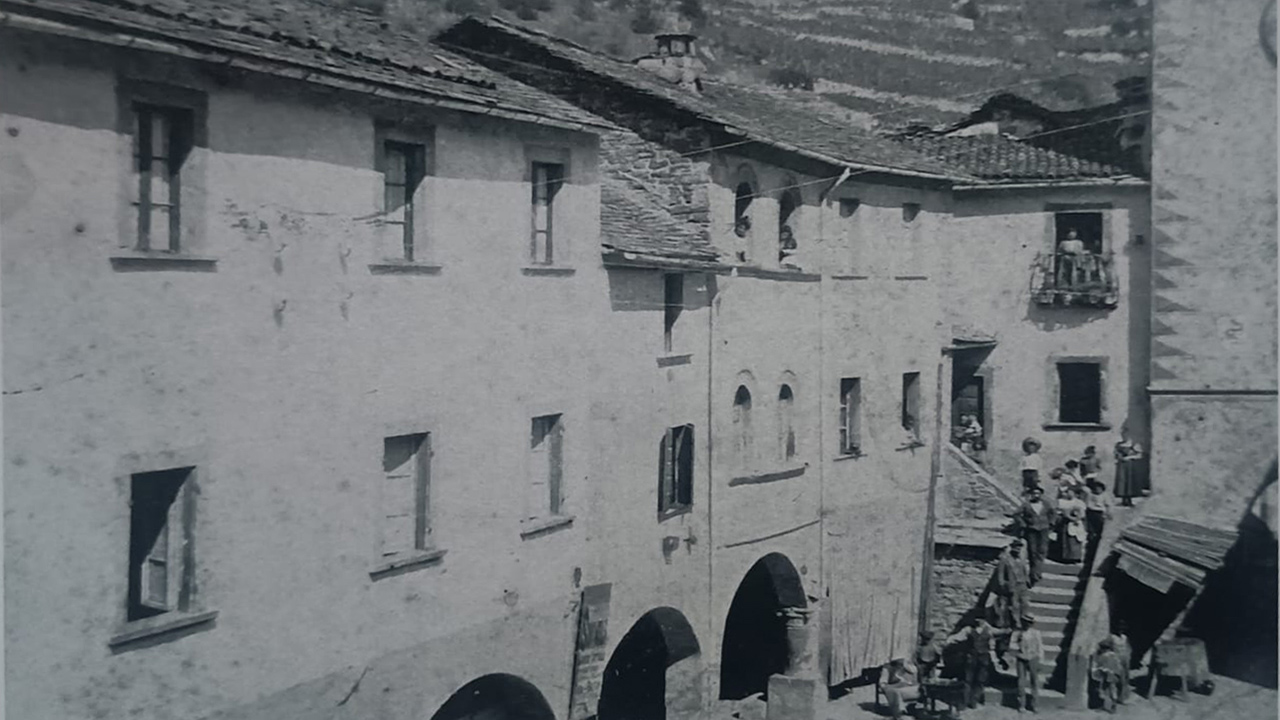
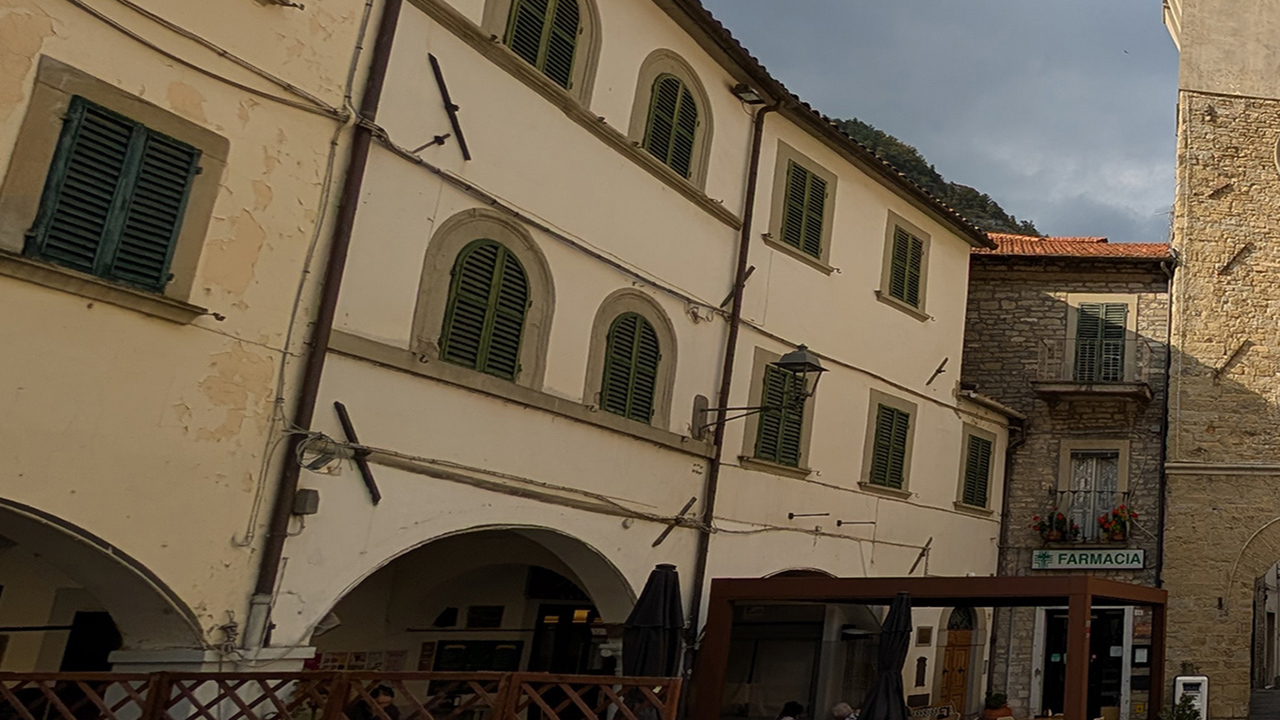
We are standing in the main square of Premilcuore, the very place that once hosted the market just outside the castle walls—the only flat, spacious area in the entire village. It is not known exactly when it became a true square. In the early 1300s, it formed part of the Mazzangone quarter, the oldest area of what is now the village, known as Canova, which lay outside the fortifications. As a square, it is mentioned in the early 1500s; in a document from 1544, the gate opening onto the square is recalled. We do know, however, that the important buildings surrounding it—the Tower, the church of San Rocco, today the Town Hall—already existed at that time, whereas the communal loggia dates back to 1573, it was built to shelter merchants and visitors on bad-weather days. In 1597, after part of it collapsed, the loggia was rebuilt with six wide, low arches resting on square pillars, and it housed the Salt Shop, the public granary, and the archive room, effectively closing off the western side of the square. Starting in 1675, the municipality began granting permission to build on top of the loggia itself. Between the Clock Tower and the loggia—where the pharmacy now stands—there once rose an exterior staircase set on an arch, giving access to the dwellings above. This staircase was demolished in 1904 for sanitary reasons. The square has always been a lively place. In addition to the weekly market, which drew such crowds that in 1608 the municipality forbade tying pack animals under the loggia to keep the space orderly and spacious, it also hosted the meetings of the municipal council. And then there is the fountain, which deserves its own story: it dates back to the construction of the village’s first aqueduct at the end of the 1800s. It was demolished after the Second World War to ease the movement of mechanical vehicles, then faithfully rebuilt in 1993. In truth, a beautiful well with columns and a watering trough had already been attempted here in the 1600s. From this square begins the stage of the ancient Via Fiorentina that ends at Castel dell’Alpe. Passing through the Fiorentina Gate instead brings you to Piazza Ricci, another important point in the village’s historic center. And by walking along Via Guglielmo Marconi and then Via Fiorentina, you can easily reach the Fontanalda Park and the wonderful Sega and Grotta Urlante waterfalls. Now, don’t miss the stories of Palazzo Giannelli, the Town Hall, and the Clock Tower—whose interior you can visit and where you can even discover how the mechanism works.
Yesterday and Today
Gallery
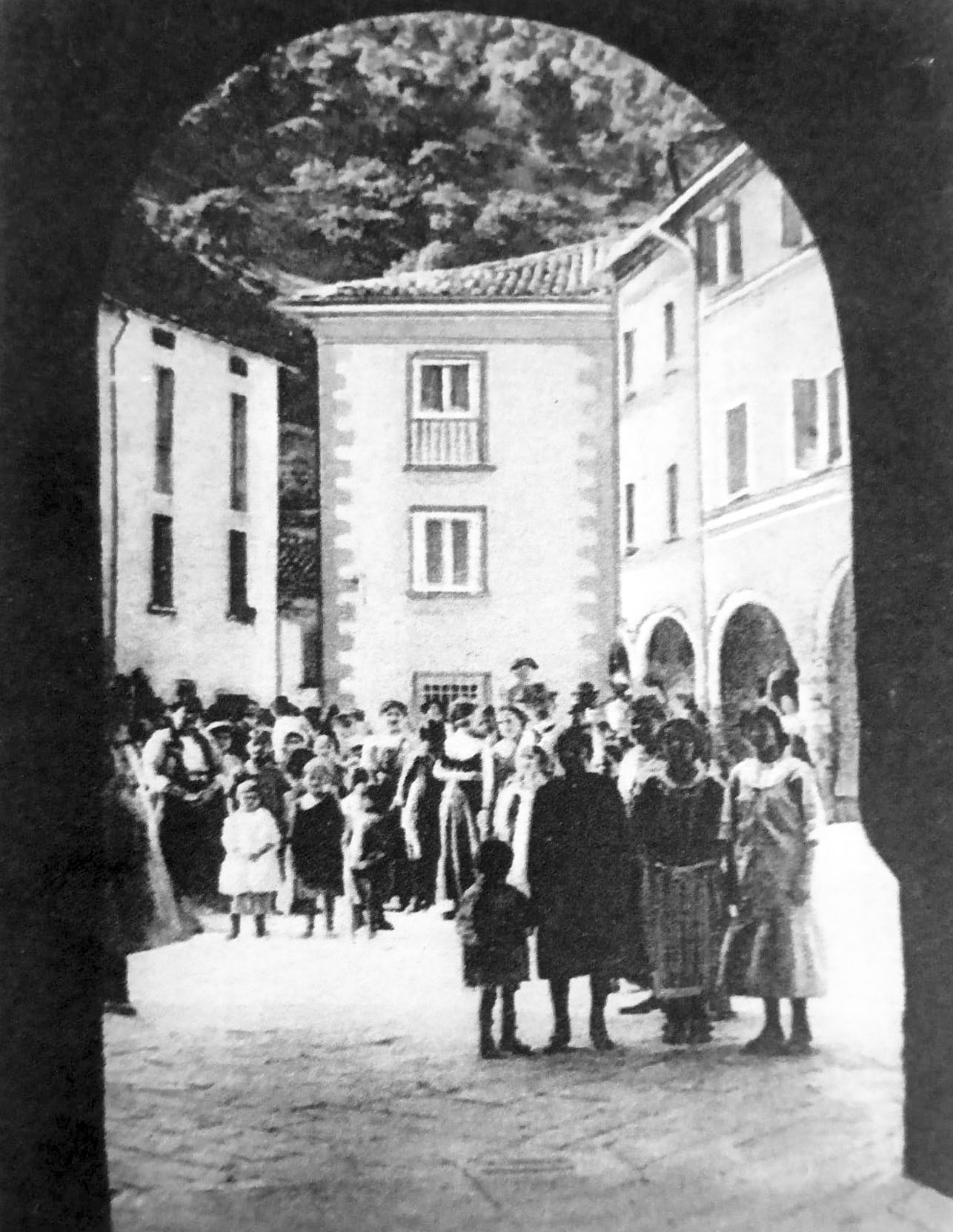
Postcard, view of the square from the Florentine Gate, early 1900s
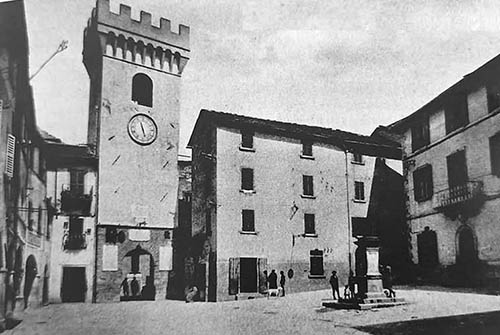
Piazza dei Caduti in the 1930s
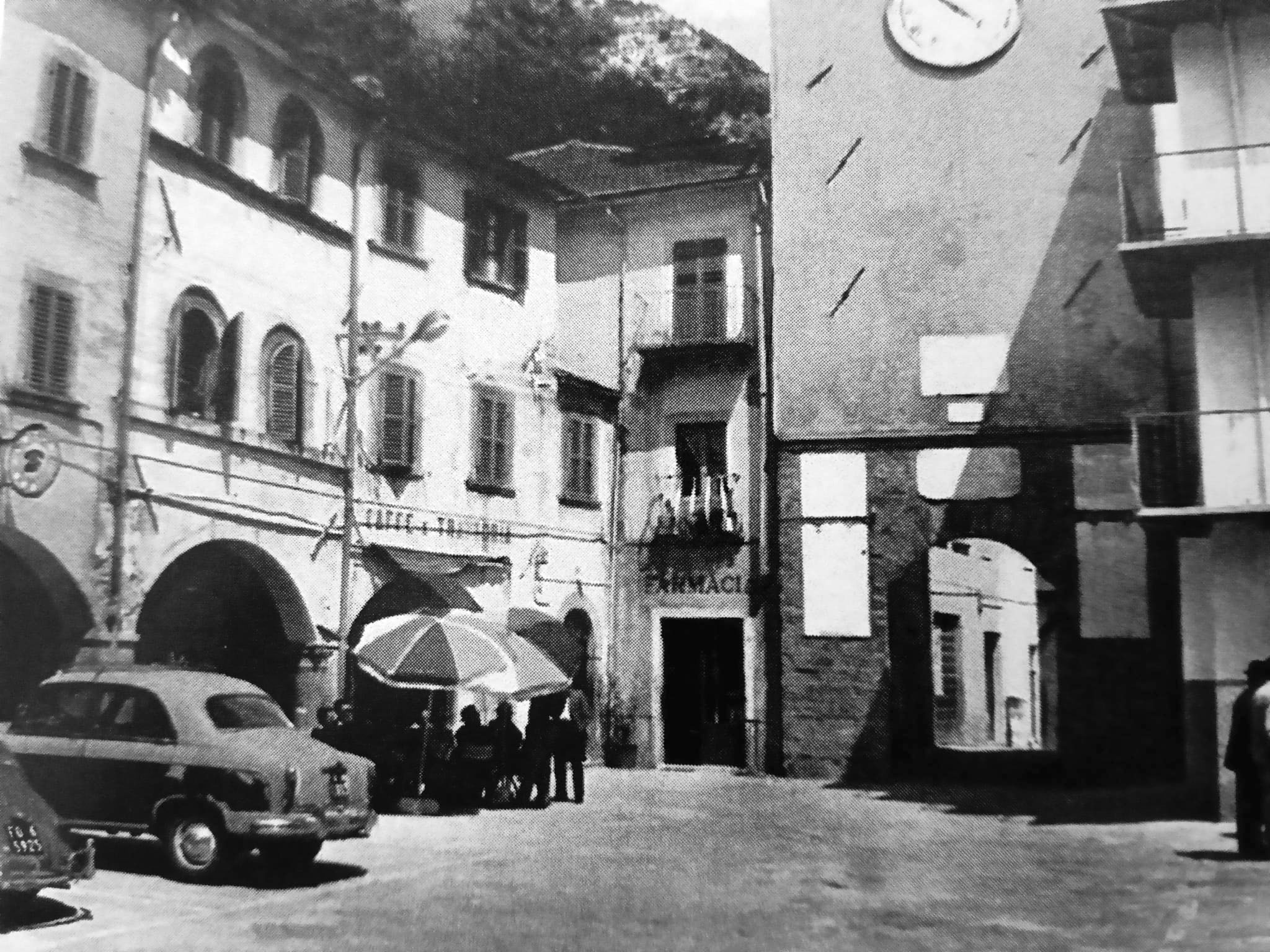
Postcard, Piazza dei Caduti in the 1950s
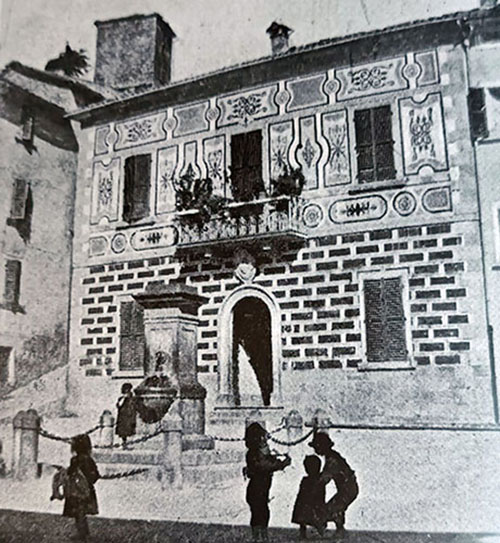
Town Hall building with a Florentine-style painted façade
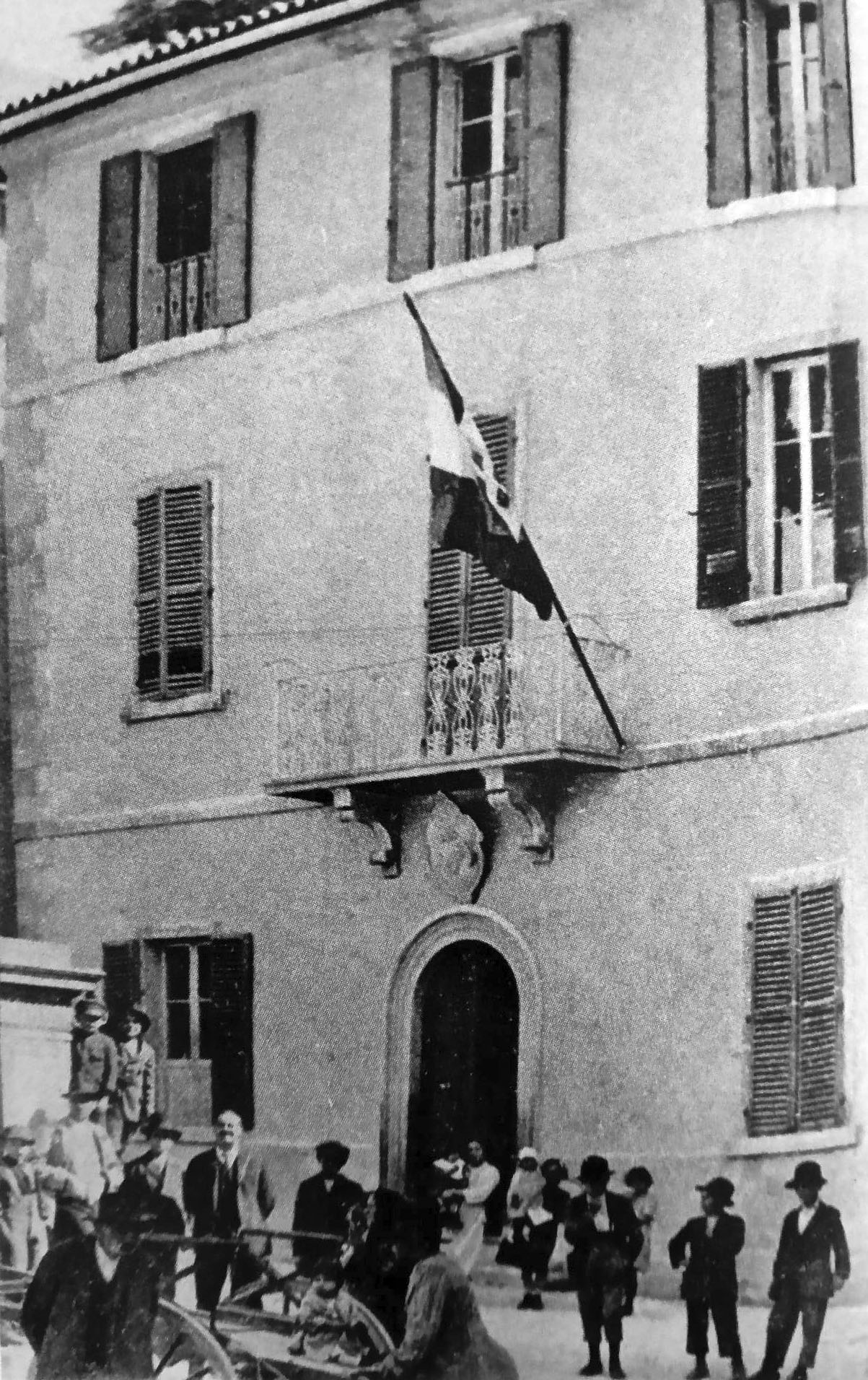
Postcard, Town Hall, 1920s
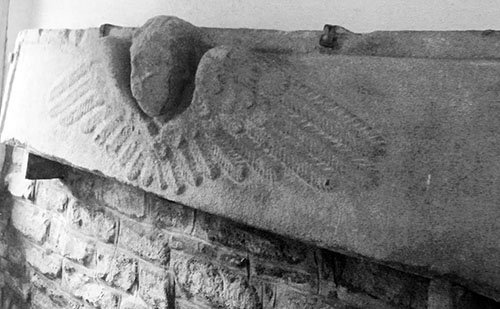
Architrave from the Church of San Rocco, now in a private residence
Virtual Tour